
Salisbury Township has public sewer customers and private septic properties. Covered septic systems around Gap must be pumped and reported at least every three years. Do not wait for a reminder; check the last accepted township date. Share private-lane width, soft shoulders, gates, overhead lines, and expected hose distance when scheduling rural properties east of Lancaster.
Check the last accepted date before year three
Salisbury implemented enforcement of its three-year pumping requirement in 2011 as part of the township’s approved Act 537 planning. The township states that the property owner remains responsible even when a tenant occupies the home or a hauler offers automatic reminders. Ask for the recorded date, not just the sticker on the tank lid.
If the township has to generate notices after the record is overdue, fees can follow. Prompt service does not automatically erase an older notice. Confirm the account with the township and keep proof that the current report was accepted.
Gap sewer customers need different help
Salisbury operates sewer service in parts of the township. A sewer bill or connection record means there may be no operating septic tank to pump. For a sewer backup, a plumber and township sewer contact belong in the response. For on-lot service, the SEO and pumping program apply.
The Salisbury Sewage Department lists SEO Quinn Haller at 610-286-1622 extension 114, and the township office at 717-768-8059. Use those current municipal contacts for permit and due-date questions.
Rural access east of Lancaster
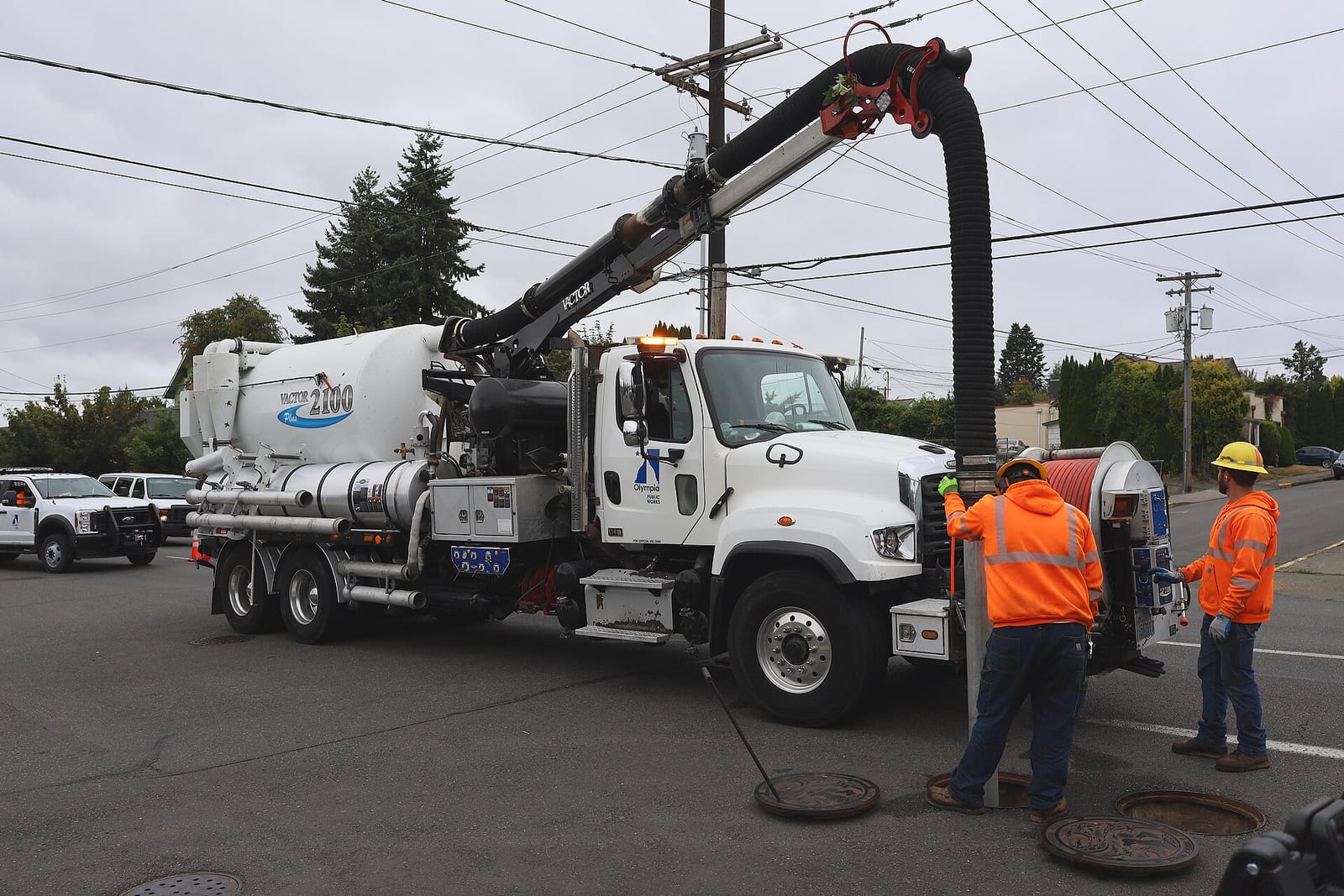
Farm lanes and scattered homes around Gap can place the tank well beyond a paved truck position. Describe lane width, bridges or culverts, soft shoulders, overhead lines, gates, animals, and approximate hose reach. Keep heavy trucks off the absorption area, especially when spring soil is wet.
- Confirm sewer or on-lot service from the property record.
- Provide the last accepted Salisbury pumping date.
- Locate the main manhole and any separate dosing tank.
- Explain access limits before dispatch, not after the truck arrives.
Some tanks need pumping sooner
Household size, tank volume, garbage-disposal use, and accumulated solids can justify earlier pumping. DEP gives three to five years as general guidance, while Penn State discusses two to three years for many households. Salisbury’s ordinance still sets the compliance date for covered properties; measured conditions protect the field between deadlines.
Alternative systems with pumps or treatment equipment may have manufacturer service more often than the tank cycle. Treat an alarm as a prompt to reduce water and test the mechanical sequence.
Do not pump a public-sewer problem
When the property is connected to Salisbury’s sewer network, ordering a septic truck delays lateral diagnosis. When an on-lot field is flooded, pumping may create storage but will not drain the soil. The useful service choice comes from verifying infrastructure first and then matching the work to the cause.
Local rules and service references
Rules and contacts can change. Check the current township record before relying on a deadline or form.