
Slow drains do not automatically mean the drainfield failed. We check the tank, outlet, dosing pump, piping, recent weather, and field before recommending excavation. Any repair that changes the approved system goes through the township SEO.
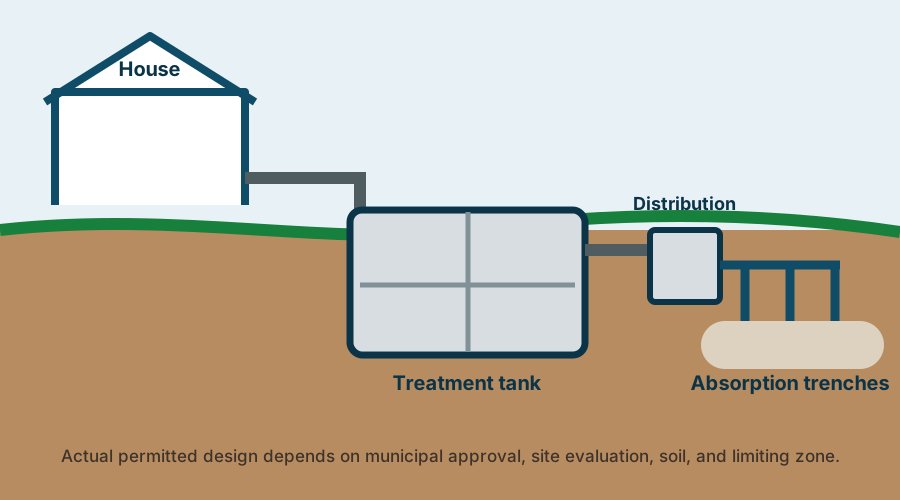
Check the symptoms before digging
One slow sink points toward household plumbing. Several fixtures slowing together can indicate the building sewer, full tank, or downstream restriction. Spongy soil, persistent sewage odor, gray water at the surface, and liquid returning from the absorption area after pumping place more suspicion on the field. A pump alarm adds a mechanical branch to the diagnosis.
Conditions matter. DEP advises reducing use after flooding until water around the absorption area falls. Pumping an otherwise sound tank does not restore saturated soil. A visit should record recent rain, sump discharge, roof drainage, laundry volume, and whether heavy equipment crossed the field before anyone recommends excavation.
Local soil and rock change the repair
Carbonate valleys in the county contain limestone and dolostone with fractures and mapped karst features. Other sites encounter shallow limiting zones or soils that accept water slowly. Those differences explain why neighboring properties can have a conventional trench, elevated sand mound, pressure-dosed bed, or another approved design.
A repair should follow the approved permit and actual site evaluation. Adding stone, cutting an unapproved relief trench, or sending a sump pump toward the field changes water movement without proving treatment. On carbonate ground, uncontrolled discharge and excavation deserve extra caution because water can move through subsurface openings faster than expected.
What drainfield repair may include
A level distribution box may be reset. A broken conveyance line can be replaced. A failed float, dosing pump, or alarm can be serviced without touching the absorption soil. Root intrusion may be isolated. When the receiving soil no longer accepts or treats effluent, the municipality may require a replacement area and a new approved design rather than a spot fix.
- Ask for the existing permit drawing and any documented replacement area.
- Expose only enough system to test the suspected component.
- Keep roof drains, driveway runoff, livestock, and vehicles away from the field.
- Obtain the SEO permit before a major alteration or replacement begins.
When pumping helps and when it does not
Pumping creates temporary storage and exposes the tank outlet, baffles, and return flow. That makes it useful during diagnosis and necessary during many repairs. It does not remove biomat from the soil or lower regional groundwater. Repeated emergency pump-outs without a permit plan can spend repair money while the underlying failure remains.
If a backup is active, stop laundry, dishwashing, and long showers. Keep children and pets out of wet areas. Call with the alarm status, location of surfacing liquid, last pump date, and whether the property has public sewer. Those facts let the request reach the correct trade.
When not to authorize a drainfield replacement
Do not approve a full field solely because the tank is full or a single pipe is clogged. Do not let a contractor bypass the local SEO by calling a major alteration “maintenance.” A replacement should follow diagnosis, municipal records, soil and site work when required, and a written design. Repair prices stay quote-only because the failed part, permit, excavation, and restoration vary by property.
Local rules and service references
Rules and contacts can change. Check the current township record before relying on a deadline or form.