
If sewage is backing up, stop using water and keep people and animals away from the mess. Then call. We will ask whether the building uses septic or public sewer, which fixtures are affected, whether an alarm is on, and where wastewater is surfacing.
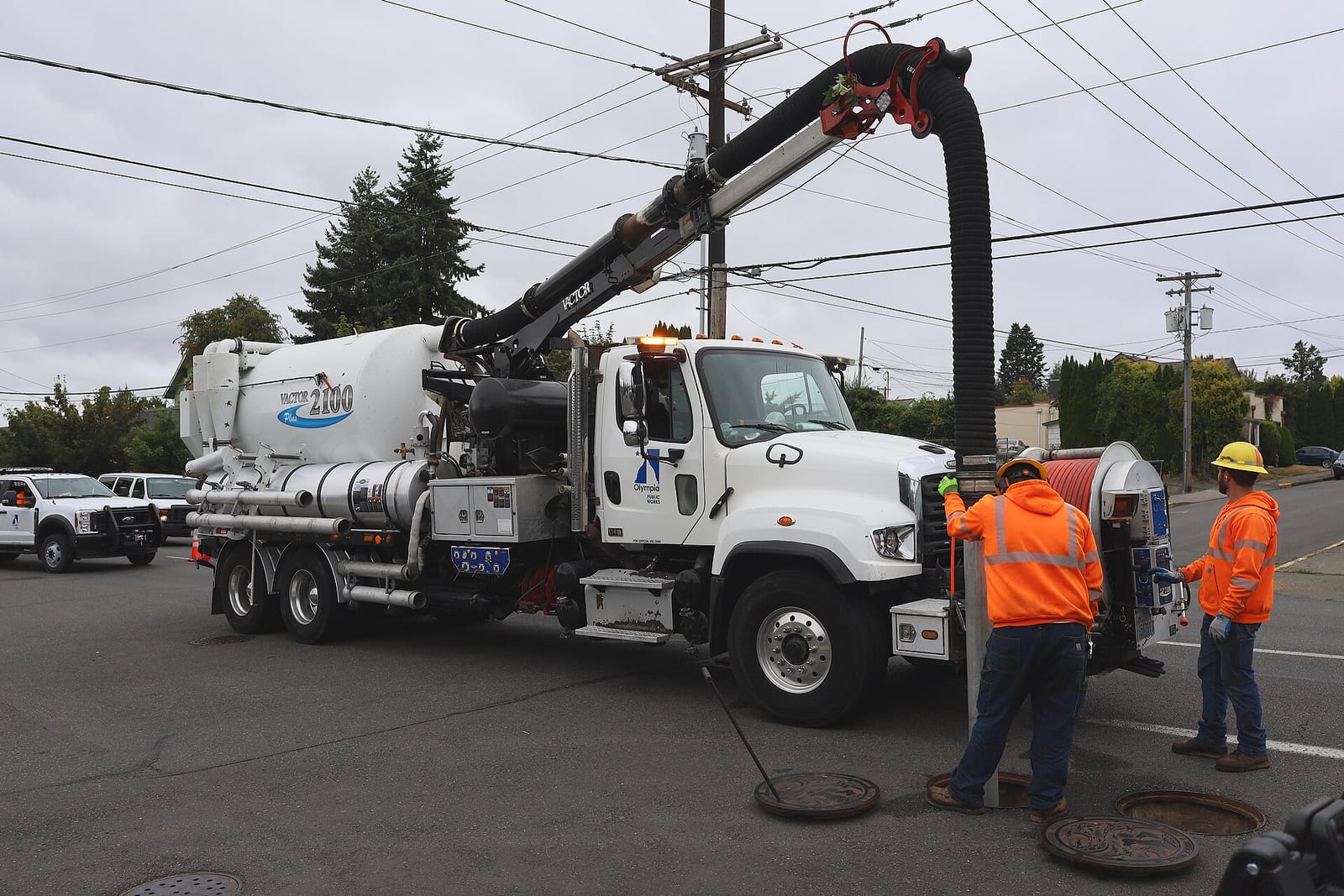
Stop water and keep people clear
Stop washing machines, dishwashers, showers, and unnecessary flushing. Avoid electrical equipment near wet floors. Keep children and pets out of affected rooms and yard areas. If sewage has entered living space, professional cleanup may be needed after the source is controlled. Do not open a tank lid in the dark or leave an access unsecured.
Tell the dispatcher where the first backup appeared, which fixtures are affected, whether a pump alarm is sounding, and whether liquid is visible outside. A single clogged fixture differs from simultaneous backup at the lowest drains. An alarm without indoor sewage may permit careful water reduction while a technician is routed.
Make sure the property has a septic tank
Lancaster city operates a wastewater collection system, and public authorities serve denser parts of surrounding townships. Check the sewer bill or utility account. For a sewered property, the owner is generally responsible for the private lateral up to the public connection; call a plumber and the utility when the location of the blockage is unclear.
For an on-lot property, share the township, tank and pump locations, access conditions, last service date, and recent rainfall. The municipal record may also identify the system type and approved layout.
What emergency pumping can do
Removing tank contents can create immediate storage, expose an outlet blockage, and stop some indoor backups. It cannot make flooded soil accept water, repair a failed pump, or clear every building sewer clog. The technician should explain whether service restored flow or only bought time for diagnosis and permitted repair.
- Full tank with usable field: removal may restore normal operation.
- Failed pump or float: pumping may prevent overflow while mechanical repair is arranged.
- Saturated absorption area: reduce water; repeated pumping is temporary storage.
- Public sewer lateral blockage: route to plumbing or the serving utility.
Flooded ground changes safe choices
DEP advises waiting to use an on-lot system until water around the absorption field falls after flooding. Silt can enter damaged components, and pumping while surrounding soil is saturated can introduce additional problems. An indoor backup still demands immediate protective action, but the long-term answer may be water reduction and post-flood inspection rather than routine pumping alone.
Lancaster County includes mapped carbonate terrain. A new depression or soil collapse is not a pumping diagnosis. Keep away from the area and contact the municipality or appropriate geologic authority when subsidence is suspected.
No arrival-time promise
Call any hour, but availability depends on location, weather, road access, receiving-facility logistics, and the independent provider accepting the dispatch. This site does not promise a fixed arrival time. Ask for the provider name, expected window, price terms, and immediate water-use instructions before relying on the visit.
Local rules and service references
Rules and contacts can change. Check the current township record before relying on a deadline or form.